At the climax of the „asylum debate” in the early 1990s, on May 29, 1993, four young perpetrators from the right-wing extremist milieu carried out a murderous arson attack on the Genç family. Five girls and young women lost their lives in the flames, and other victims were injured, some seriously. The „Solingen arson attack” became the saddest and worst chapter in Solingen’s post-war history, and it still shapes the city’s society today.
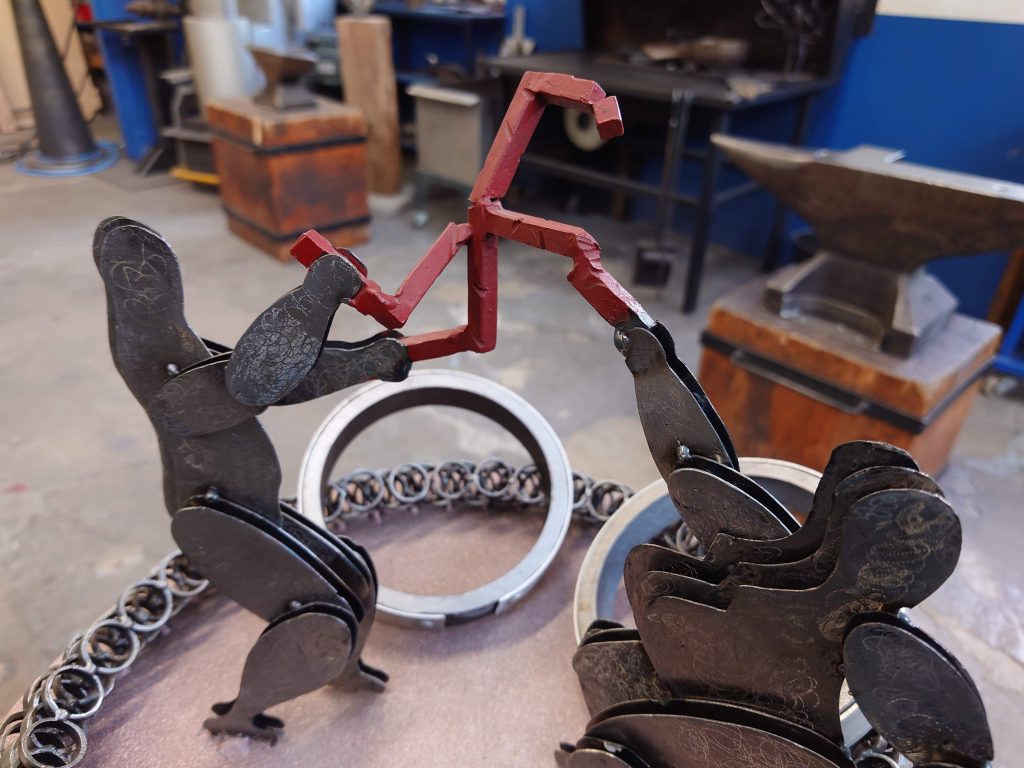
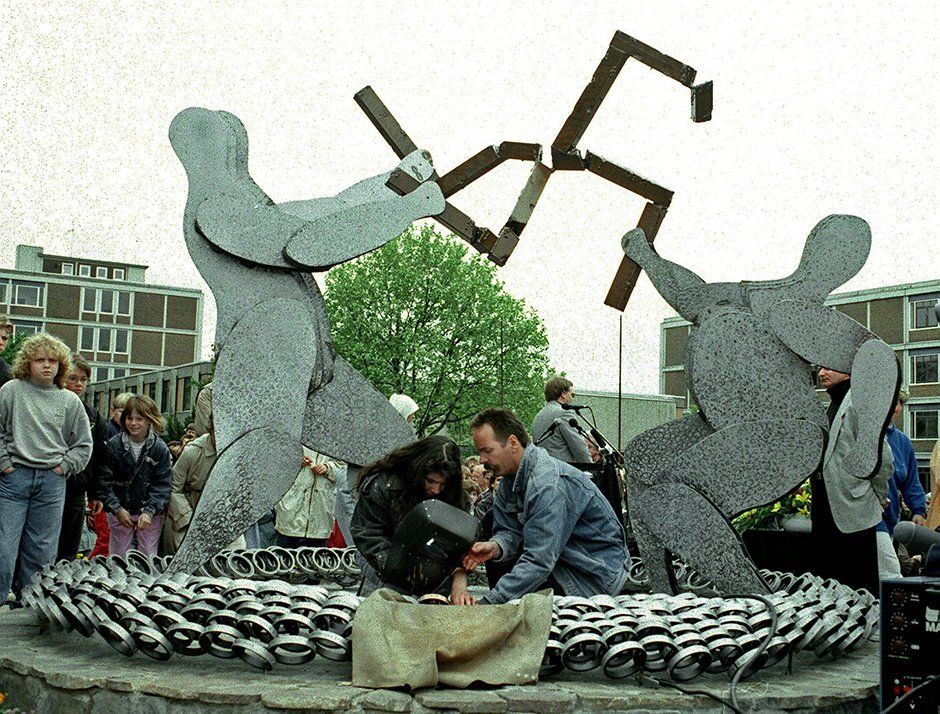
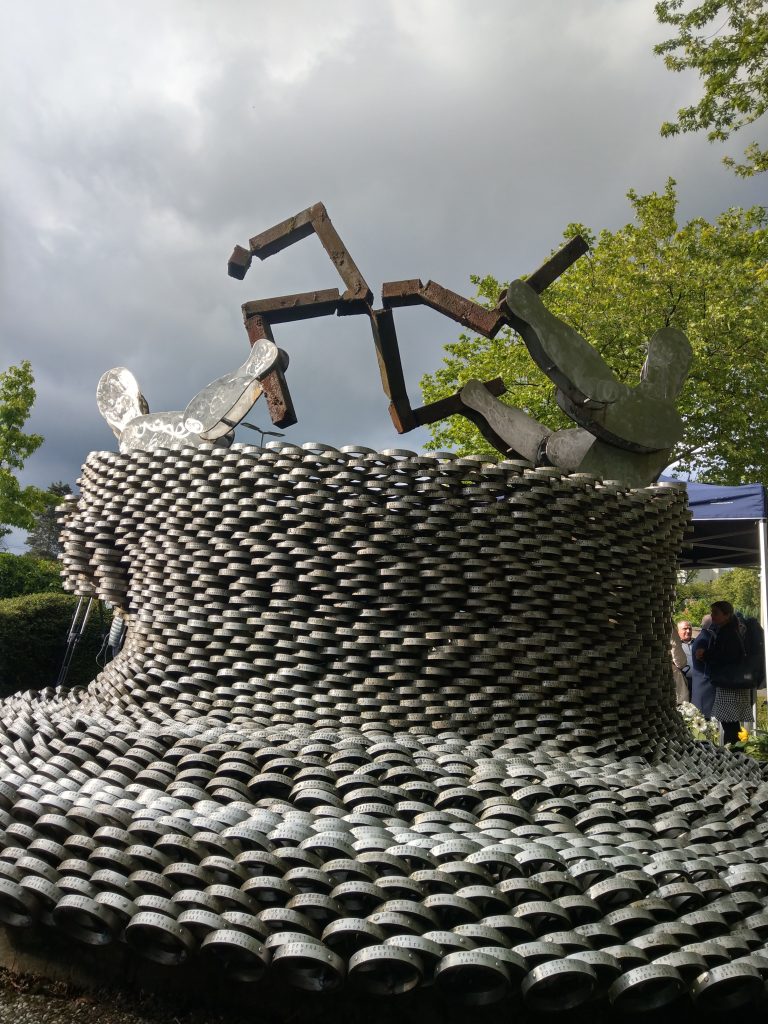
Shortly after the attack, the „Jugendhilfe-Werkstatt“ initiated and built the „Solingen Memorial“ at the Mildred Scheel Vocational College. To this day it commemorates the five victims: Saime, Hülya and Hatice Genç, Gürsün Ince and Gülistan Öztürk. At the same time, it promotes tolerance and recognition and stands as a reminder against racism.
Shortly after the attack, erecting a memorial in the middle of the city met with little approval and hardly any support from the majority in the Solingen city council and in the city administration. The tenor was to get back to business as usual as quickly as possible and not to pay too much attention to the arson attack, probably out of fear for the city’s reputation. So it was difficult to even find a location.
With the support of the then rector of the Mildred Scheel Vocational College, Frank Plümacher, the memorial could be erected on the grounds of the school on Beethovenstrasse. The vocational college has been cooperating with the „Jugendhilfe-Werkstatt“ for years.
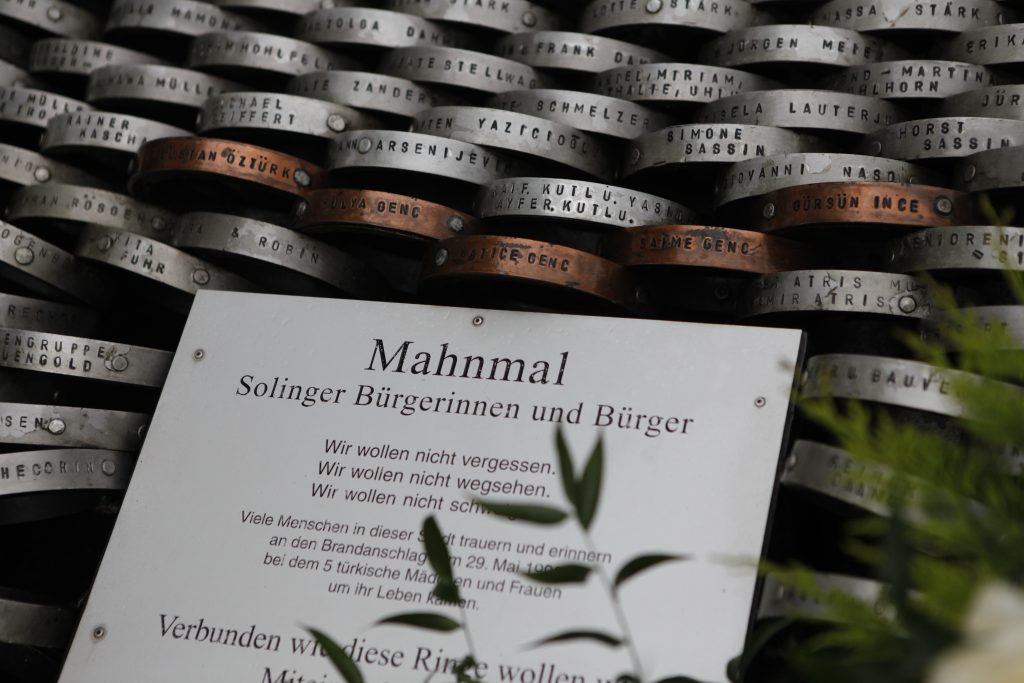
As an example of civil society commitment, the memorial was erected with great support from the citizens of Solingen. It was inaugurated on May 29, 1994, on the occasion of the first anniversary of the arson attack, with great sympathy from the people of Solingen. In a human chain, more than 10,000 people passed on the five rings with the names of the victims from the former location of the Genç family house on Untere Wernerstraße to the memorial at the Mildred Scheel vocational college.
In the following years, the memorial developed into an important part of Solingen’s culture of remembrance, which is now supported by the city council, city administration and citizens alike and is known far beyond the borders of Solingen as the „Solingen Memorial“.
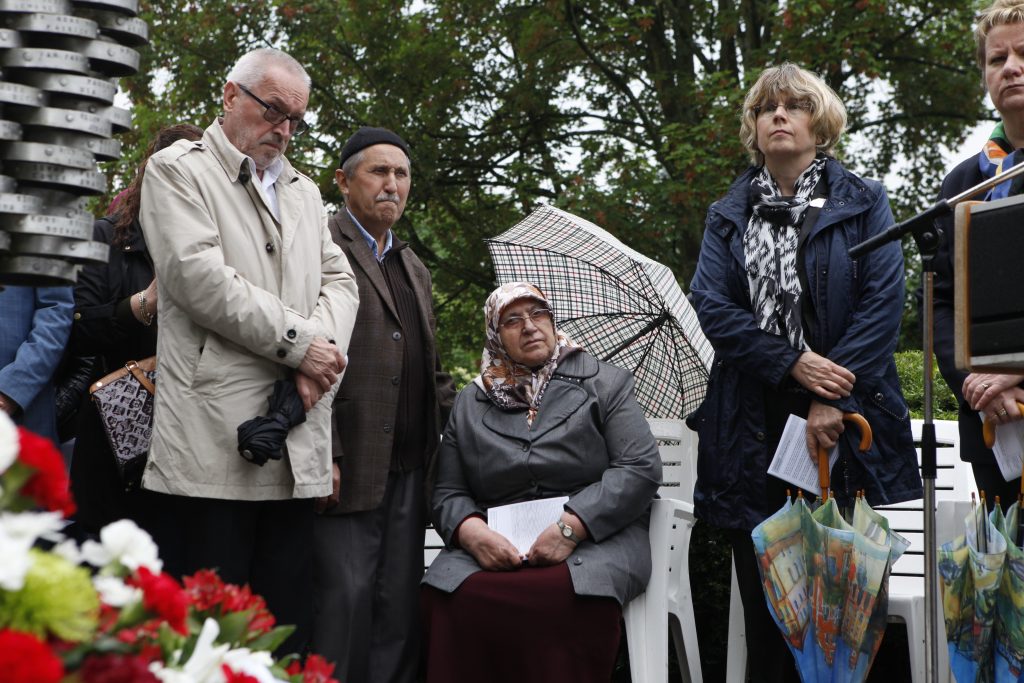
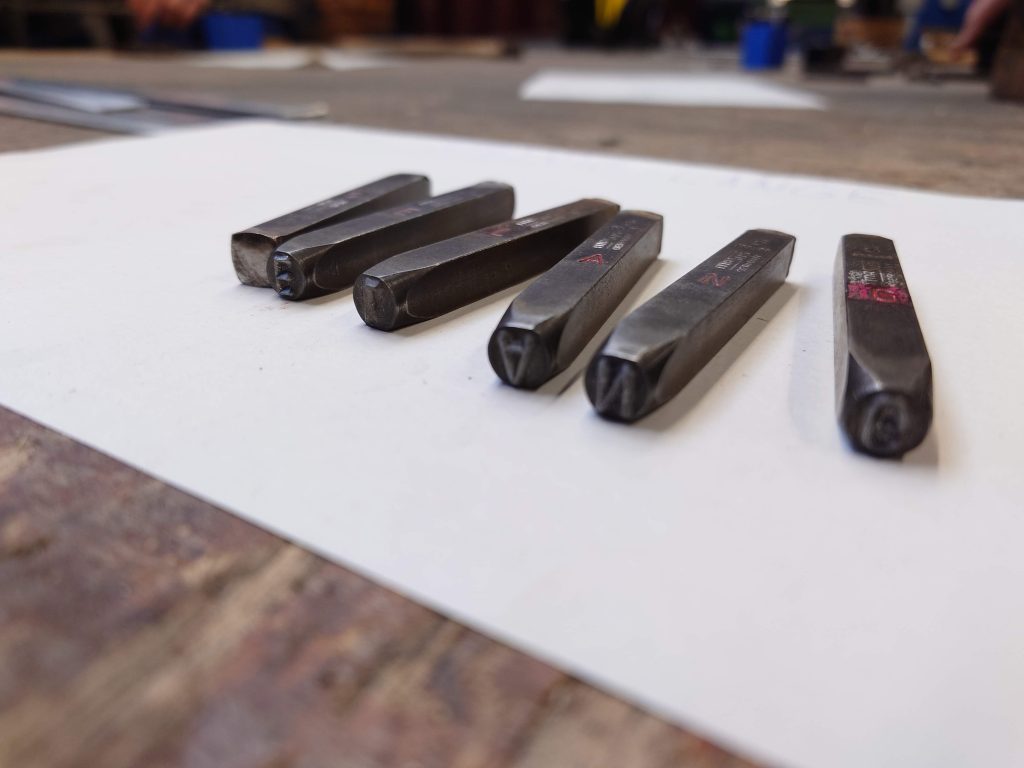
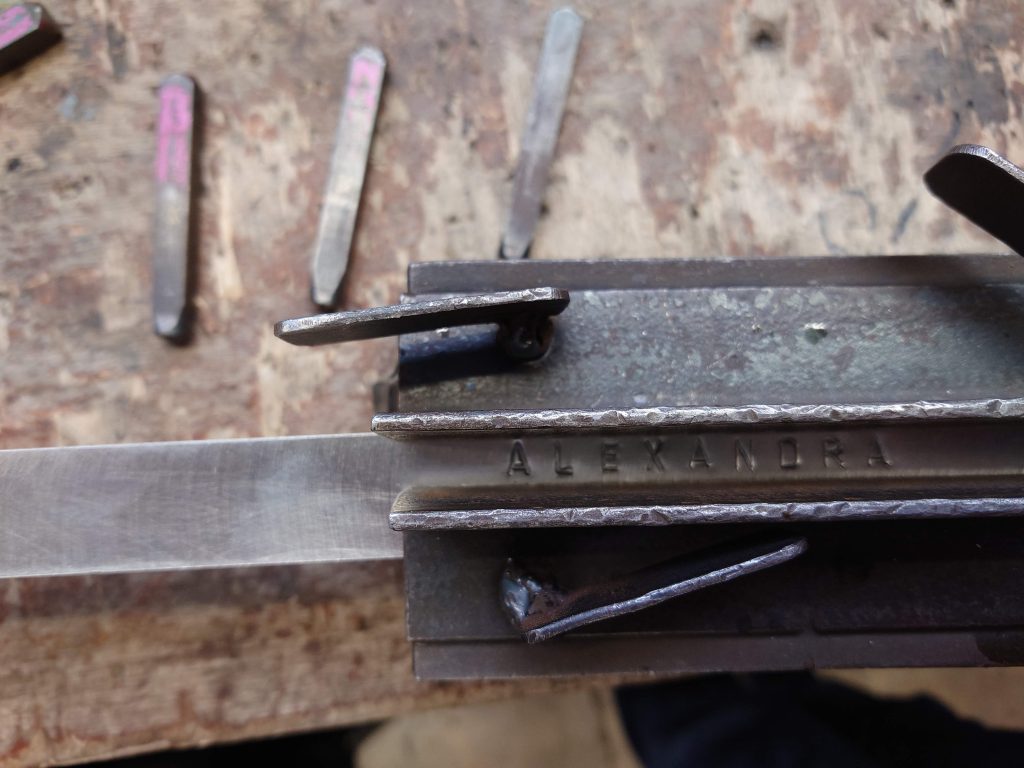
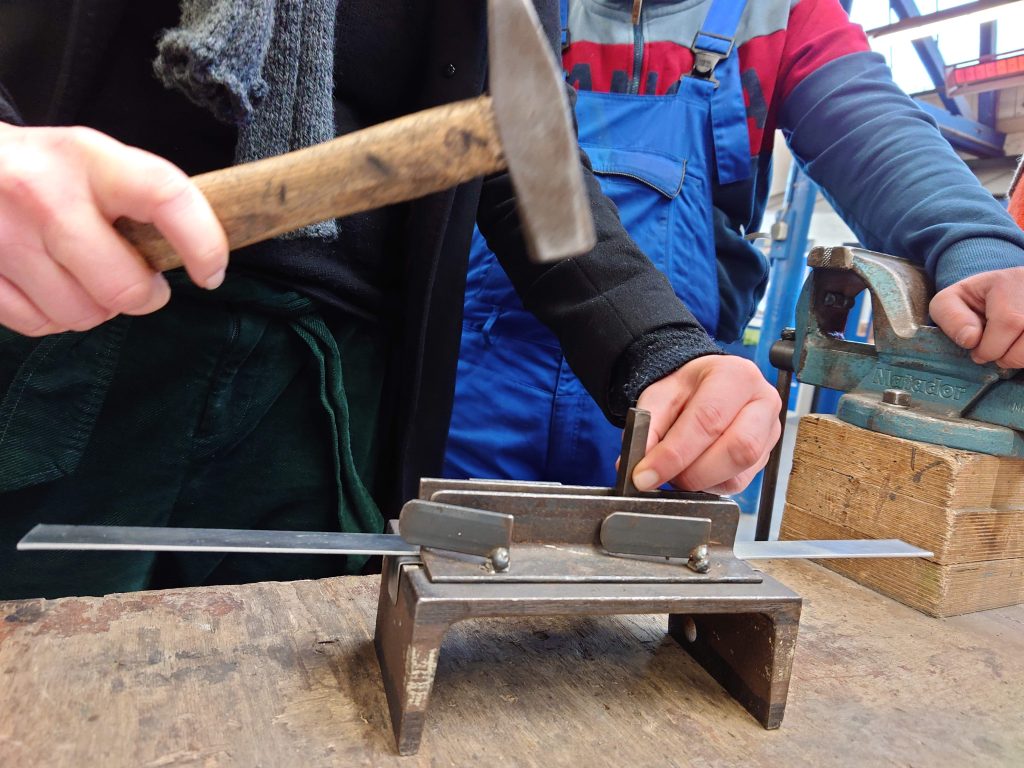
The Solingen memorial is one of the few living memorials that everyone can contribute to. It is far from „complete“ and even today people can show their sympathy with their own ring, which they put their name on at the „Jugendhilfe-Werkstatt“. The memorial continues to grow by around 150 to 200 rings a year. Every year on May 29, the commemoration ceremonies organized by the „Alliance for Tolerance and Civil Courage“ take place here.
The Solingen memorial also reacts to current developments in its design concept: Originally, the aim and desire were that the group of figures with the destroyed swastika should be completely covered with rings when one day there would be no more racism. From today’s perspective, it is unfortunately an illusion that this would happen in the foreseeable future.
Due to the fact that racism has been increasing in our country for several years, the „Jugendhilfe-Werkstatt“ decided at the beginning of 2018 that the figures with the destroyed swastika should remain clearly visible as a warning. Therefore, rings are currently only welded on in the lower area, while the upper area remains free.
If you’d like to emboss a ring for the memorial you can contact the „Jugendhilfe-Werkstatt“ for an appointment.
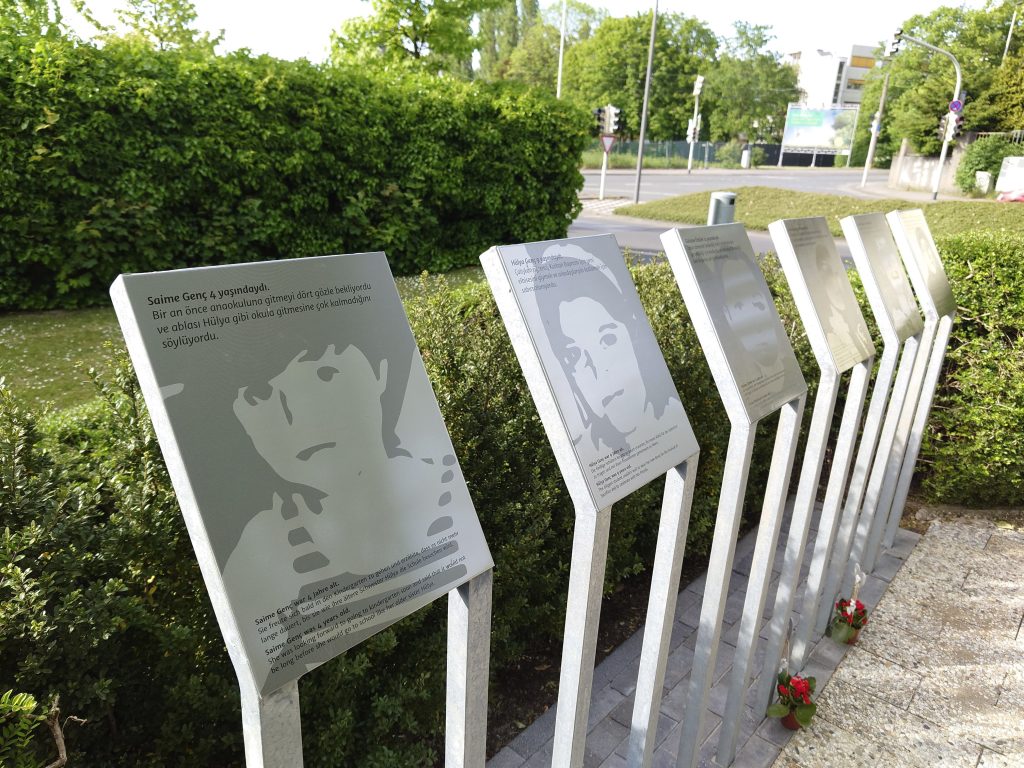
On the occasion of the 30th anniversary, at the request of the Genç family, multilingual steles with the names and faces of the victims will be installed next to the memorial. They give them back their story, tell visitors about the life from which they were torn. Another plaque commemorates Mevlüde Genç, who died in 2022. Shortly after the terrible act in which she lost daughters and granddaughters, she campaigned for reconciliation and friendship so as not to give hatred a chance.
In March 2023, the memorial was included in the monument list of the city of Solingen, as there is a public interest in its preservation and use for scientific and local historical reasons.